
You may have noticed that one breast looks different from the other for as long as you can remember. Perhaps the difference is subtle, or perhaps it becomes more noticeable when you wear certain clothes, look in the mirror, or see yourself in photographs. You may find that one side fits your bra differently, or that you feel more comfortable in clothing that makes the difference less visible.
Even when breast asymmetry is a natural anatomical variation, it can still affect how comfortable you feel with your appearance. A difference that seems relatively small to someone else may be something you have been aware of for years, particularly if it has influenced the way you dress or how you feel about your body.
Understanding that breast asymmetry is common does not necessarily make those feelings disappear. At the same time, having asymmetrical breasts does not mean there is something wrong with your body or that surgery is needed.
If you are considering whether anything can be done to improve the difference, understanding what makes your breasts look different in the first place is an important starting point.
Your breasts develop independently, and differences are natural
Although breasts are often viewed as a pair, each has its own unique anatomical characteristics.
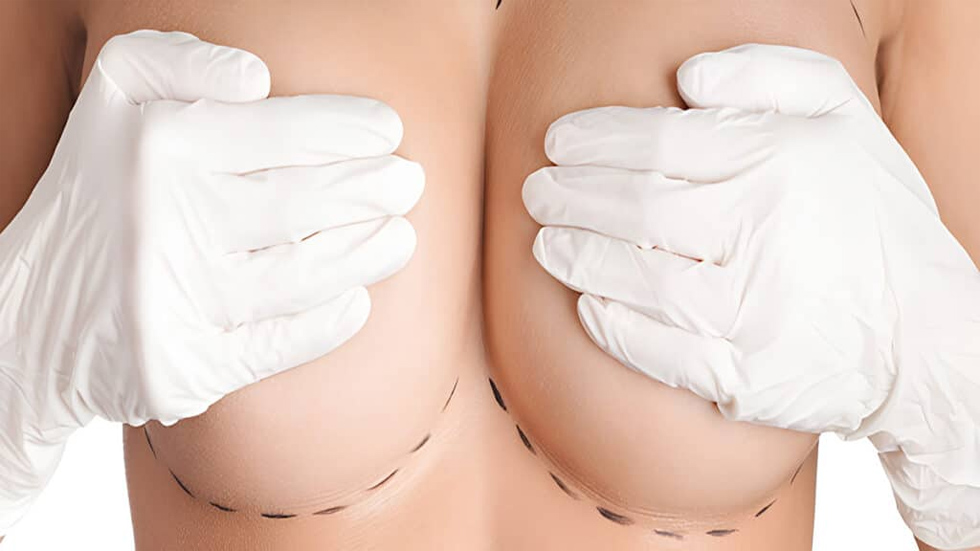
One breast may naturally contain more tissue than the other, have a slightly different shape, or sit at a different position on the chest. The nipples may not be at exactly the same height, and the skin and underlying breast structures may differ between sides.
Even the chest wall beneath the breasts can influence how they appear. Differences in the shape or projection of the rib cage may make one breast look more prominent, regardless of how much breast tissue is present.
These variations are part of normal anatomy. Perfect symmetry is not something the body naturally maintains, and your breasts are no exception.
However, the fact that asymmetry is common does not determine how noticeable it is to you or how you feel about it. Your experience of that difference is personal, and it deserves to be understood without being dismissed or exaggerated.
Why breast asymmetry may become more noticeable over time
You may have noticed differences between your breasts since adolescence, or the asymmetry may have become more apparent later in life.
Pregnancy, breastfeeding, weight fluctuations, and aging can all influence breast volume, skin elasticity, and the position of breast tissue. Because the two breasts do not necessarily respond to these changes in the same way, an existing difference may become more pronounced.
For example, one breast may lose more upper fullness than the other, or the tissue may settle into a slightly different position. Changes in skin elasticity can also influence how the breasts are supported, making differences in shape or nipple position more visible.
You may find that the asymmetry you barely noticed several years ago has become something you pay more attention to now.
If that change has affected how comfortable you feel in certain clothing or how you see your breasts, it is reasonable to want to understand what has happened.
A new, sudden, or otherwise unexplained change in one breast, particularly if accompanied by a lump, skin changes, or nipple discharge, should first be assessed medically rather than assumed to be ordinary asymmetry.
Breast asymmetry is not always a difference in size
When one breast looks larger than the other, it is natural to assume that volume is the main reason.
Sometimes that is exactly what is happening. One breast contains more tissue, creating a visible difference in size.
But two breasts can have relatively similar volumes and still appear noticeably different.
One may sit lower on the chest, have a different shape, or contain tissue distributed differently. The nipple may be positioned higher or lower, changing how the breast looks even when the overall volume is similar.
Your chest wall anatomy can introduce another variable, influencing the apparent projection or position of the breast.
These distinctions matter because changing breast size does not automatically correct differences in breast shape, position, or nipple placement.
Identifying which characteristics contribute most to the asymmetry helps clarify what may realistically be improved through surgery.
Understanding the relationship between breast volume and position
Breast volume and breast position are closely connected visually, but they are not the same concern.
If one breast is smaller while both breasts have similar skin characteristics and nipple positions, the primary difference may be related to volume.
If one breast sits lower or has more stretched skin, however, adding volume alone may not address the appearance you are hoping to change. In certain circumstances, increasing volume without addressing breast position could make the difference more noticeable.
Similarly, a breast lift may improve position and shape without fully correcting a meaningful difference in volume.
During a consultation at PIPS, Dr. Dennis Hammond and Dr. Paige Goote, consider how breast tissue, skin quality, nipple position, and chest anatomy influence the appearance of each breast.
Looking at these characteristics together helps distinguish differences that are primarily related to volume from those involving breast shape, position, or a combination of factors.
Why the two breasts may need different surgical approaches
If your breasts have different starting anatomies, performing exactly the same procedure on both sides does not necessarily produce a more balanced appearance.
Depending on the nature of the asymmetry, surgical treatment may involve adjusting volume, reshaping breast tissue, changing breast position, or combining different techniques.
For example, a breast with less volume but relatively good skin support may require different considerations from a breast that has more tissue but sits lower on the chest.
The appropriate approach also depends on what you would like to change. You may be comfortable with the overall size of your breasts but want to improve their shape or position. Alternatively, the difference in volume may be your primary concern.
Dr. Hammond’s and Dr. Goote’s approach to breast surgery emphasize the relationship between the existing breast anatomy and the techniques used to modify it. When addressing asymmetry, this means considering each breast individually while also understanding how the two breasts look together.
Rather than assuming that both sides require identical adjustments, the surgical plan can be tailored to the characteristics of each breast and the improvements you hope to achieve.
Can breast augmentation improve breast asymmetry?
If you are considering breast augmentation and already have some degree of asymmetry, implant selection may become part of the discussion.
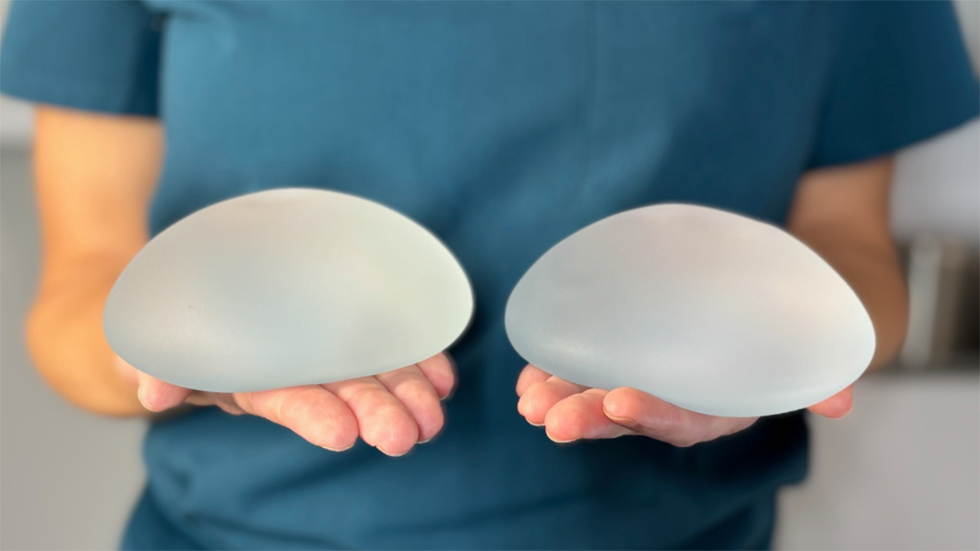
Breast implants can change volume and projection, and different implant dimensions may sometimes be considered when there is a meaningful difference in breast size.
However, implants do not automatically correct every type of asymmetry.
If your breasts differ in nipple position, skin elasticity, or underlying shape, selecting different implant volumes may not fully address those differences. The implants also interact with the existing breast tissue, which may behave differently on each side.
Dr. Hammond and Dr. Goote take breast width, tissue coverage, skin characteristics, nipple position, and the available space for the implant into account when discussing augmentation options.
Depending on your anatomy, augmentation may be one possibility, while a different approach involving breast reshaping or lifting may be more suitable.
The decision begins with understanding the characteristics responsible for the asymmetry rather than assuming that implants are necessarily the solution.
What does a more symmetrical result actually mean?
If breast asymmetry has bothered you for years, you may hope that surgery could make your breasts look exactly alike.
It’s understandable to hope for perfect symmetry, but breast surgery cannot guarantee identical results on both sides.
Your breasts may differ in tissue composition, skin elasticity, underlying chest anatomy, and the way they heal. Those differences do not necessarily disappear after surgery.
Breasts are also three-dimensional structures. They may appear more similar from the front while still showing differences in projection, shape, or position from another angle.
For these reasons, the discussion often focuses on which differences can meaningfully be reduced while preserving a natural breast appearance.
You may be primarily concerned about how your breasts look in clothing, how they sit in a bra, or how their overall proportions compare. Sharing these concerns helps your surgeon understand what a satisfying improvement would mean to you.
A thoughtful consultation should also address which differences are likely to remain, allowing you to consider the potential benefits of surgery alongside its limitations.
When breast asymmetry affects how you feel about your body
Living with breast asymmetry can be a very different experience depending on how noticeable the difference is and how you personally perceive it.
You may have become accustomed to adjusting your clothing or choosing bras that accommodate one breast differently from the other. You may feel comfortable with your appearance most of the time but become more conscious of the difference in certain situations.
Or you may have lived with the asymmetry for years without feeling particularly concerned about it.
None of these experiences is more valid than another.
If the difference affects your confidence or comfort, you do not need to minimize those feelings simply because breast asymmetry is common. Equally, you do not need to pursue surgery just because an anatomical difference exists.
You deserve to understand your options without feeling that you have to justify your concerns or make a decision before you are ready.
What to expect during a breast asymmetry consultation
You do not need to arrive at your consultation knowing which procedure you want.
You may simply know that one breast looks different from the other and that you would like to understand why.
At PIPS, Dr. Hammond and Dr. Goote can examine the volume, shape, skin characteristics, and position of each breast, while considering how the underlying chest structure influences their appearance.
Your history is also relevant. Whether the asymmetry has been present since adolescence or developed following pregnancy, weight changes, or previous surgery can provide important context.
Just as importantly, the conversation should include what you have been noticing and which differences you would most like to address.
You may discover that the feature you initially thought was related to size is actually influenced more by breast position or shape. Understanding that distinction can help you consider your options without feeling that you need to choose a procedure before understanding the anatomy involved.
Both Dr. Hammond and Dr. Goote bring surgical expertise to the PIPS team, where patients can discuss potential approaches, realistic expectations, and the limitations of breast surgery.
The consultation is also an opportunity to ask questions about recovery, scarring, potential complications, and how the proposed procedure might affect the appearance of each breast.
Understanding your options and your own expectations
Breast asymmetry is a natural anatomical variation, but that does not mean every experience of it is the same.
You may feel completely comfortable with the differences between your breasts, or you may have spent years wishing they looked more alike. Both perspectives deserve respect.
If you are considering surgery, understanding the reasons behind the asymmetry can help you move beyond the assumption that one breast simply needs to be made larger or smaller.
Breast volume, tissue distribution, skin elasticity, nipple position, and chest anatomy all influence how your breasts look together. Addressing those differences may involve different considerations for each side, and some degree of natural asymmetry will remain.
During a consultation at PIPS, Dr. Hammond and Dr. Goote can help you explore the available options and understand what may realistically be achieved, giving you the information you need to decide whether surgical treatment feels appropriate for you.
The purpose of that conversation is not to suggest that your breasts need to be identical, but to help you make an informed decision about what, if anything, you would like to change.