
Blepharoplasty
(Upper & Lower)
Eyelid surgery to reduce heaviness, puffiness, and a tired appearance
Changes around the eyes often happen gradually. You may notice that your upper lids feel heavier, or that under-eye fullness creates shadows that make you look more tired than you feel. Because this area plays such a central role in expression, it is common to feel cautious about surgery and to have questions about recovery.
Blepharoplasty addresses excess upper-lid skin and lower-lid puffiness or laxity. Upper-lid heaviness, under-eye bags, and shadowing beneath the eyes are frequent reasons for considering surgery. At PIPS (Partners in Plastic Surgery of West Michigan), the emphasis is on subtle improvement that preserves facial expression and balance, allowing the changes to blend in harmony with your face.
Who may consider blepharoplasty
Surgery in this area requires precision and careful judgment, since even subtle adjustments can shape how your eyes appear and move. Planning starts with a detailed look at skin quality, muscle tone, lid position, and the natural fat that supports the eye. The focus remains on measured refinement that respects your expression and overall facial character.
For the upper lids, the incision is typically placed within the natural crease so it heals discreetly. Excess skin is removed, and when appropriate, a small amount of muscle or fat may be refined. If mild ptosis, meaning a low lid position caused by weakness of the lifting muscle, is present, it can sometimes be corrected at the same time.
Upper blepharoplasty is commonly performed with local anesthesia and light sedation and often takes less than an hour, depending on the plan.
Lower–lid surgery is tailored to the underlying concern. When bulging fat is the primary issue and skin tone remains strong, an incision inside the lid allows fat to be repositioned without a visible external scar. When tightening is needed, a fine incision just beneath the lashes provides access to refine skin and support structures. In select cases, subtle reinforcement at the outer corner of the eye helps maintain proper position during healing. Operating time varies depending on the technique and whether volume adjustment is required.
When hollowing plays a role in the overall look of the eye area, existing fat may be redistributed or a small amount of purified fat from another area can be transferred to restore gentle fullness. These decisions are made thoughtfully, supporting results that feel balanced and consistent with your features.
Recovery and results
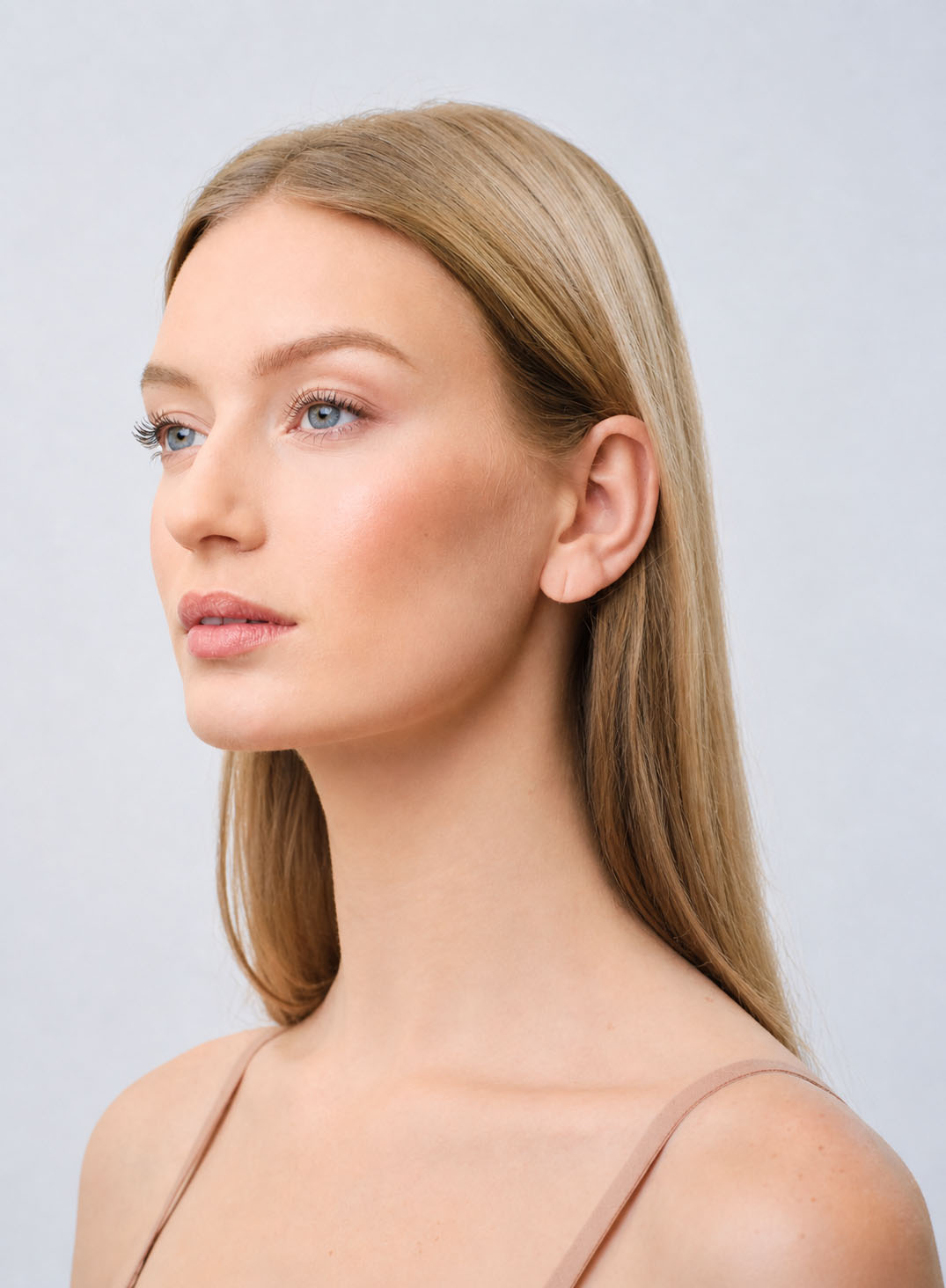
Most patients return to normal daily activities within several days. Bruising and swelling are expected during the first one to two weeks and gradually improve. Temporary tightness, mild tenderness, or dryness may occur early in recovery, and specific instructions are provided to support comfort.
As swelling resolves, the eye area appears smoother and more rested. Refinement continues gradually as tissues soften and scars mature. The focus is on easing heaviness and under-eye fullness in a way that feels natural and aligned with your overall appearance.
Safety and follow up
All surgery carries risk, and these are discussed clearly during consultation. Careful technique and appropriate planning help reduce concerns such as asymmetry, irritation, or changes in lower-lid position. Patients receive detailed guidance on eye care, activity progression, and when to contact the office. Follow-up visits allow healing to be monitored closely.
Insurance information
Eyelid surgery performed for cosmetic reasons is typically not covered by insurance.
Effective January 1, 2026, Dr. Hammond no longer participates with any insurance plans for surgical services and offers self-pay procedures exclusively.
Dr. Goote primarily performs cosmetic, self-pay procedures. She also participates with insurance for select breast revision and breast reconstruction cases, which are individually evaluated and subject to surgeon review.
Why choose PIPS
Partners in Plastic Surgery of West Michigan
Blepharoplasty at PIPS is performed with focused attention to the delicate structure of the lids and surrounding tissues.
Dr. Dennis Hammond brings decades of experience to procedures around the eyes, where precision and restraint are especially important. Surgery in this area requires careful judgment and a deep understanding of eyelid structure and support, since even subtle adjustments can influence overall expression. Over the course of his career, he has remained actively engaged in surgical refinement and education within the field of plastic surgery. He has been recognized by Newsweek in its America’s Best Plastic Surgeons rankings in 2022, 2023, 2024, and 2025, reflecting consistent national recognition for his work.
Dr. Paige Goote is a fellowship-trained plastic and reconstructive surgeon who approaches eyelid surgery with detailed anatomical assessment and individualized planning.Their shared philosophy emphasizes measured refinement and preservation of expression, with results that appear rested and natural.