Abdominoplasty
Restoring abdominal contour with balance, support, and compassion
Considering abdominoplasty can bring up a range of feelings, and that is completely understandable. Changes in the abdominal area often happen gradually and can feel deeply personal. They may affect comfort, posture, confidence, and the way someone moves through everyday life. For many people, this decision comes after years of effort and patience, making it normal to feel a mix of uncertainty, hope, and hesitation.
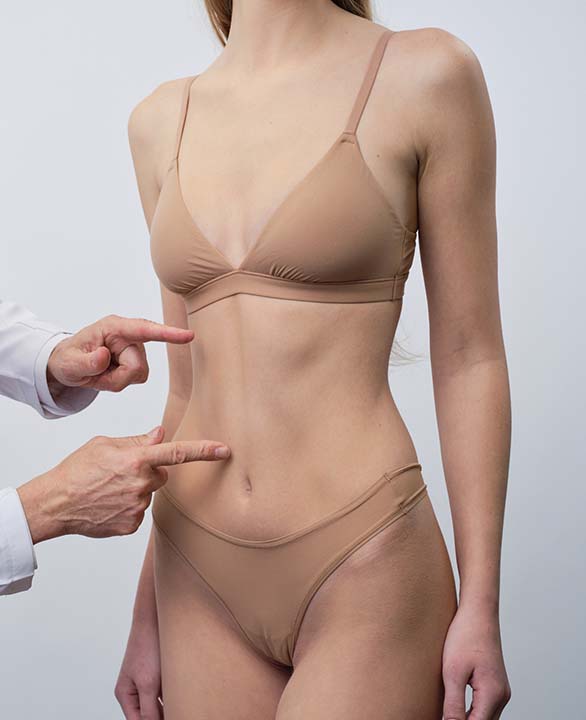
Abdominoplasty, often referred to as a tummy tuck, is a surgical procedure designed to remove excess skin, restore support to stretched or separated abdominal muscles, and improve the overall contour of the midsection. For many patients, the goal is not perfection, but greater comfort and a sense of physical support that feels more aligned with their body. It can be about improving daily movement, feeling more comfortable in your clothing, and reconnecting with confidence in a quiet, personal way.
At PIPS (Partners in Plastic Surgery of West Michigan), abdominoplasty is approached with attention to both the physical and emotional aspects of the decision. Time is taken to understand individual concerns, daily routines, and long-term goals, so planning can move forward at a pace that feels appropriate. The focus remains on safety, proportion, and results that respect the body rather than trying to redefine it.
Who may consider
abdominoplasty

Abdominoplasty may be an option for individuals in good overall health whose weight has been stable and who are bothered by loose or sagging abdominal skin, persistent fullness in the lower abdomen, or changes following pregnancy or weight loss. Some people seek treatment for abdominal muscle separation, known as diastasis recti, which can contribute to weakness or discomfort after pregnancy.
During consultation, the conversation is not limited to anatomy alone. Attention is also given to how these changes affect daily comfort, movement, and overall well-being, helping ensure expectations remain realistic and aligned with both physical needs and personal priorities.
In some situations, a related procedure called panniculectomy may be discussed. Panniculectomy focuses specifically on removing excess, overhanging skin and tissue of the lower abdomen, often referred to as a pannus. This concern can develop after significant weight loss or pregnancy and may contribute to skin irritation, hygiene challenges, or physical discomfort. Unlike abdominoplasty, panniculectomy does not typically involve tightening of the abdominal muscles or reshaping the upper abdomen. The primary goal is functional improvement and relief of symptoms rather than contour refinement. During consultation, careful evaluation helps determine which approach, or combination of approaches, best aligns with both physical needs and personal priorities.
However, it may be helpful to state that PIPS does not perform straight panniculectomies because the results are generally subpar. When patients inquire about a panniculectomy procedure, our surgeons will provide education and B/A photos to illustrate why we do not offer straight panniculectomies. In these instances, our surgeons explain that an abdominoplasty is highly preferred for optimal results. Rather than just removing excess skin as in a panniculectomy, an abdominoplasty allows our surgeons to include techniques for best contouring of the entire abdominal area – often paired with liposuction and/or muscle placation (making the procedure an abdominoplasty, not a panniculectomy).
Surgical approach and planning
Abdominoplasty reshapes both the surface of the abdomen and the deeper support structures beneath it. Planning begins with a careful evaluation of skin quality, muscle integrity, fat distribution, prior scars such as a cesarean incision, and overall torso proportions. These details help determine whether liposuction may be helpful and which surgical approach best matches the body and goals.
Depending on the degree and location of laxity, a limited or mini abdominoplasty may be appropriate for concerns below the navel, while a full abdominoplasty is more commonly used when broader tightening and contouring are needed. In some cases, an extended approach may be recommended after significant weight loss.
The procedure is performed under general anesthesia in a private, on-site surgical facility. Incisions are planned low on the abdomen so they can be concealed beneath most underwear or swimwear. When muscle separation is present, the supporting tissue of the abdominal wall is repaired to restore midline support. Excess skin is removed, and remaining tissue is re-draped to create a flatter, more balanced contour.
Every step is planned with intention, recognizing that physical recovery and emotional readiness are closely connected.
Recovery and results
Recovery experiences vary, but many patients return to light daily activities within one to two weeks. Swelling, tightness, and fatigue are expected early on and typically improve gradually over the following months. Compression garments and activity modifications are used to support healing and protect the repair during recovery.
Results appear early but continue to refine as swelling resolves and tissues settle. For many patients, improvement is felt not only in appearance, but also in posture, comfort, and ease of movement. Giving the body time to heal and adjusting gradually back into routine activities are important parts of the process.
Safety and thoughtful care
All surgical procedures involve risk, and responsible care includes open, honest discussion. Individual risk factors and strategies to reduce complications are reviewed carefully. Clear guidance is provided on incision care, activity progression, and what to expect during healing, along with reassurance about when to reach out with concerns.
Support does not end after surgery. Follow-up visits and ongoing communication help patients feel guided and cared for as healing progresses.
Insurance information
At this time, insurance is not accepted for abdominoplasty or other body contouring procedures.
Effective January 1, 2026, Dr. Hammond no longer participates with any insurance plans for surgical services and offers self-pay procedures exclusively.
Dr. Goote primarily performs cosmetic, self-pay procedures. She also participates with insurance for select breast revision and breast reconstruction cases, which are individually evaluated and subject to surgeon review.
Why choose PIPS
Partners in Plastic Surgery of West Michigan
Abdominoplasty at PIPS is performed using a customized, anatomy-guided approach focused on durability, balance, and natural-looking results.
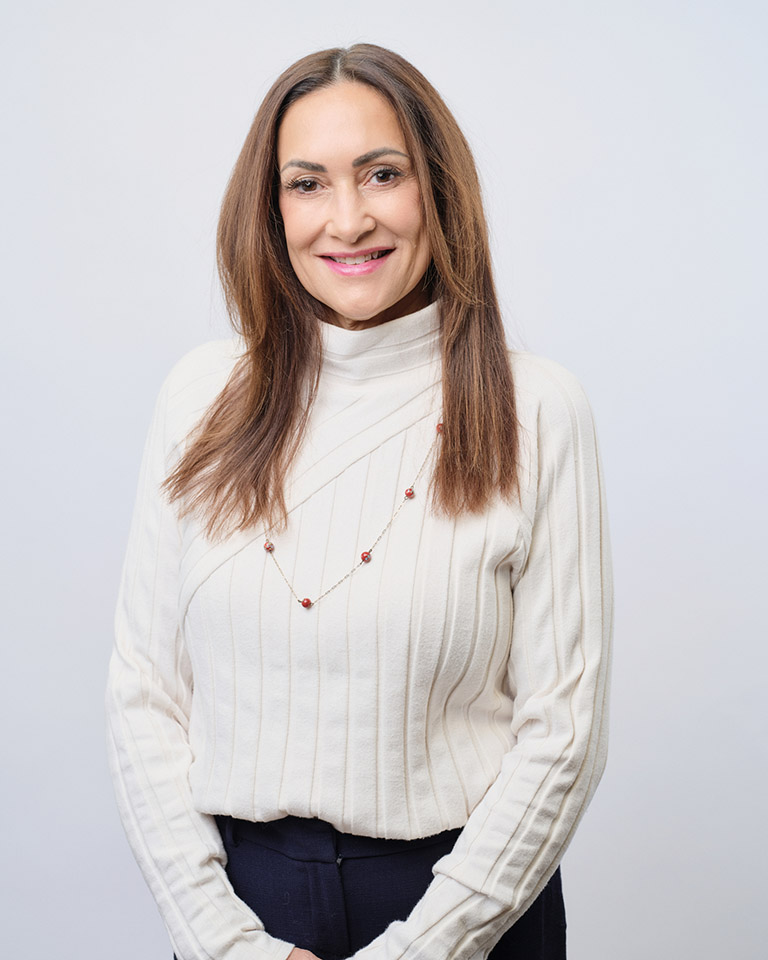
Dennis Hammond is known for his leadership in plastic surgery and for innovations that have influenced how procedures are performed and taught. His reputation reflects decades of experience, technical precision, and a consistent focus on outcomes that are both durable and appropriate for each patient.
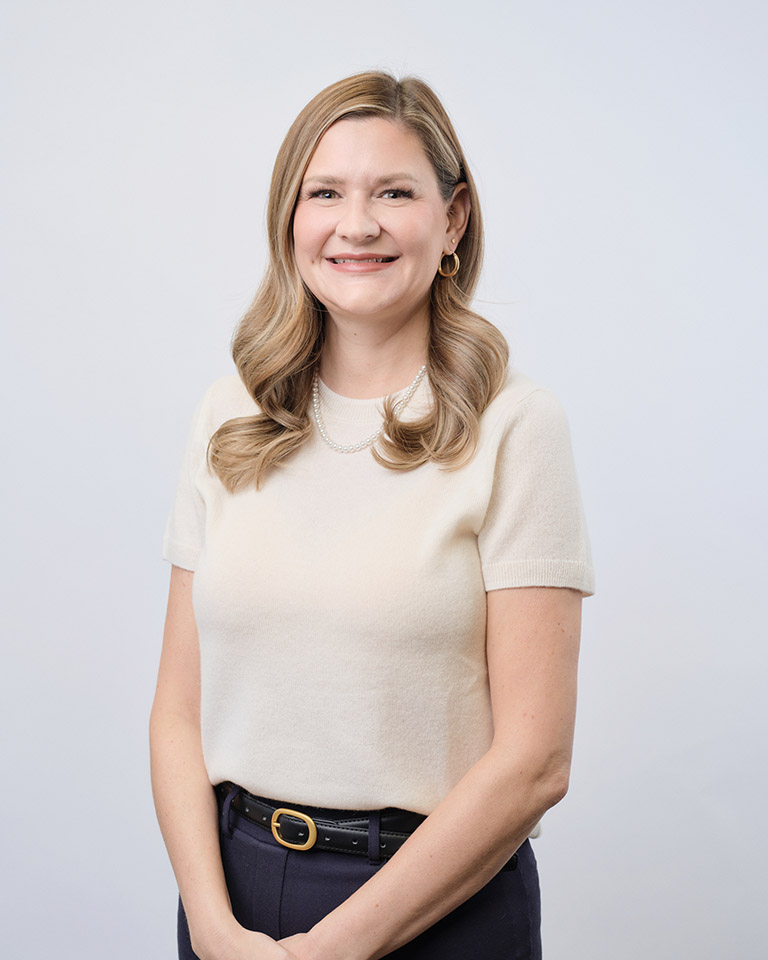
Dr. Paige Goote is a fellowship-trained plastic and reconstructive surgeon who approaches abdominoplasty with careful listening, anatomy-guided technique, and individualized planning.