
Lower
Body Lift
Reshaping the lower body after significant weight loss
Losing a significant amount of weight can be a meaningful and life-changing accomplishment. At the same time, changes in the skin and soft tissues may leave areas of loose or hanging skin around the abdomen, hips, lower back, and thighs. When this happens, the body may not fully reflect the effort and dedication that went into achieving that weight loss.
A Lower Body Lift is a comprehensive surgical procedure that removes excess skin and reshapes the lower portion of the body. The procedure addresses the abdomen, flanks, lower back, buttocks, and outer thighs in a single circumferential approach. By tightening and repositioning the tissues around the entire lower torso, the contour of the body can be restored in a way that feels more balanced and comfortable.
At PIPS (Partners in Plastic Surgery of West Michigan), careful planning and precise surgical technique are used to create results that appear natural and stable over time.
When a Lower Body Lift may be considered
You may begin considering a Lower Body Lift if loose or hanging skin around the lower body creates physical discomfort or affects how your clothing fits. Skin laxity after major weight loss can lead to folds around the abdomen, hips, or lower back that may cause irritation, rashes, or difficulty with daily movement.
A Lower Body Lift may also be appropriate when the skin has lost elasticity and no longer adapts to the body’s new weight. Reaching a stable weight and maintaining good overall health are important factors when preparing for this procedure.
Planning your procedure
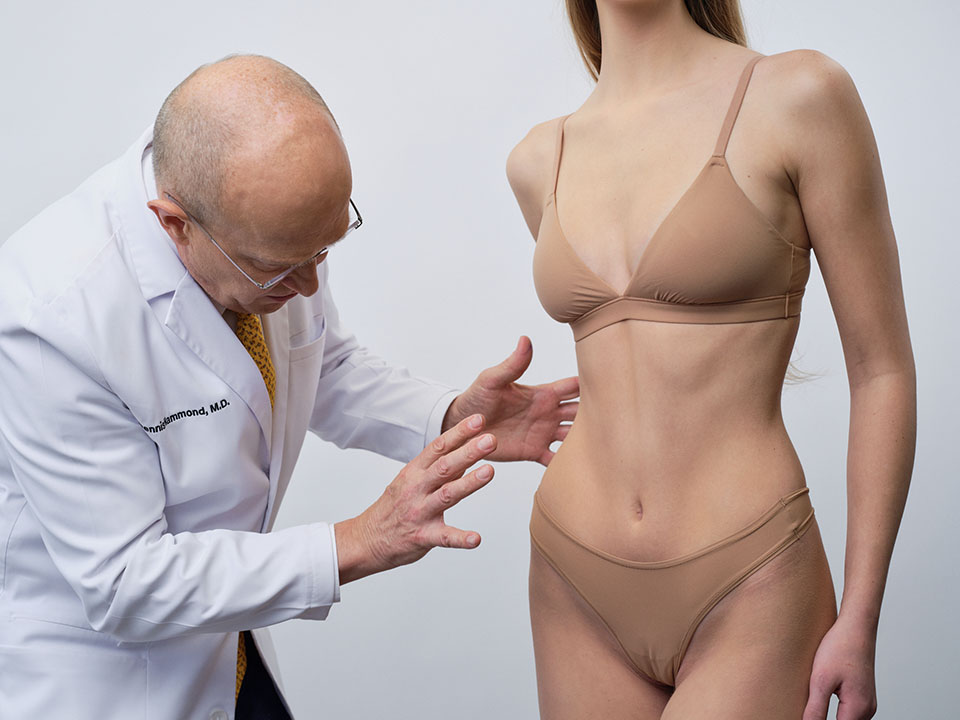
A Lower Body Lift requires detailed planning to ensure that the contour of the body remains balanced from every angle. During the consultation, the overall distribution of excess skin and the shape of the lower body are carefully evaluated.
The quality of the skin, the position of the buttocks, the contour of the hips, and the condition of the abdominal muscles all influence the surgical plan. In some situations, additional procedures such as liposuction or extended abdominoplasty may be discussed to help refine the final contour.
This planning process allows the procedure to address the body in a comprehensive and coordinated way.
How the procedure is performed
A Lower Body Lift is typically performed under general anesthesia and treats the lower body in a circumferential, or 360-degree, approach.
The procedure involves an incision placed around the lower torso. This incision is carefully positioned so that it can usually be concealed beneath underwear or swimwear. Through this approach, excess skin can be removed while the abdomen, flanks, lower back, and buttocks are tightened and repositioned.
Removing loose skin allows the waistline to be reshaped and the tissues of the buttocks to be lifted. In some cases, the patient’s own tissue can be used to restore fullness to the buttocks, a technique sometimes referred to as auto-augmentation.
The lateral portion of the incision also allows the upper outer thigh to be gently elevated, helping improve the contour of the hips and upper legs.
Once the reshaping is complete, the tissues are carefully closed in multiple layers.
This technique distributes tension through deeper structures rather than the skin alone, helping support healing and maintain the new contour as the tissues settle.
The procedure usually takes four to six hours.
Benefits of a Lower Body Lift
Removing excess skin and tightening the lower body can help restore smoother contours around the waist, hips, and thighs. Clothing often fits more comfortably, and daily activities may feel easier without the weight or movement of excess skin.
Improving the contour of the lower body can help restore more natural proportions after major weight loss. Addressing excess skin may allow your appearance to better reflect the effort and dedication you invested in reaching this point.
Recovery and healing
Recovery after a Lower Body Lift requires time for the body to heal and adjust to the new contour.
Temporary drains may be placed to help remove fluid during the early stages of healing. Compression garments are typically worn for several weeks to support the tissues and reduce swelling.
Light activities can usually be resumed within two to three weeks, while more strenuous activity should wait approximately six to eight weeks. As swelling gradually improves, the new contour of the lower body becomes more visible over the following months.
Safety and surgical care
A Lower Body Lift is a complex procedure that requires careful attention to tissue handling, contour balance, and postoperative care. Modern surgical techniques help reduce the likelihood of complications such as fluid collections, wound healing concerns, or scar thickening.
Regular follow-up visits allow healing to be monitored closely and help ensure a safe recovery.
Insurance information
Lower Body Lift surgery is generally considered an elective body contouring procedure and is not covered by insurance.
If you are considering surgery, the cost of the procedure and related care will be your responsibility. During your consultation, detailed information about pricing and payment options will be provided so you can review everything before deciding whether to move forward.
Why choose PIPS
Partners in Plastic Surgery of West Michigan
Lower Body Lift procedures at PIPS are performed by Dr. Dennis Hammond and Dr. Paige Goote.
Dr. Hammond has extensive experience in complex body contouring surgery and has spent decades refining techniques that emphasize careful planning, precise tissue handling, and balanced contour. Throughout his career, he has developed a thoughtful approach to procedures that reshape larger areas of the body, where achieving smooth and natural transitions between the abdomen, hips, and back is essential.
His work in both reconstructive and aesthetic plastic surgery has contributed to the way surgeons approach advanced body contouring procedures today. In addition to his clinical practice, Dr. Hammond has been actively involved in surgical education and professional organizations, sharing his experience with other surgeons and helping advance the field of plastic surgery.
Dr. Goote is a fellowship-trained plastic and reconstructive surgeon with a strong focus on post–weight loss body contouring. Her approach emphasizes careful planning, precise tissue handling, and thoughtful contour restoration. This attention to detail is especially important in procedures such as the Lower Body Lift, where multiple areas of the body must be reshaped in a way that maintains balance and natural proportions.
Most procedures take place in our private surgical facility located within the PIPS practice in Grand Rapids, welcoming patients from throughout West Michigan.
Let’s Start the Conversation
Every decision begins with understanding your goals. Schedule a consultation to explore your options in a setting designed around your comfort and privacy.