
When small changes start to show
At certain points during the year, you may begin to notice subtle changes in your skin.
It might feel a little more dry than usual. Less even in tone. Slightly dull in a way that wasn’t there before. These shifts are often gradual, and they don’t always have a clear starting point. They tend to build over time, shaped by weather, daily habits, stress, and natural changes in your skin.
When you notice them, it’s common to start thinking about what might help.
A treatment. A product. Something that can bring your skin back to a place that feels more familiar.
And while those options can play an important role, what often matters just as much is something less visible.
Consistency.
Why one treatment is rarely the whole answer
Professional treatments like microneedling, facials, or laser procedures can support your skin in meaningful ways. They can help improve texture, refine tone, and encourage a healthier surface over time.
But these treatments are not designed to work in isolation.
They are part of a broader process, one that continues long after the appointment itself. Without ongoing care, the effects of a single treatment tend to be temporary. Your skin will gradually return to its baseline, influenced by the same factors that were present before.
This is not a limitation of the treatment. It reflects how your skin functions.
Your skin responds to what you do repeatedly.
How your skin actually adapts
Your skin is constantly renewing itself.
Cells move from deeper layers to the surface. Natural oils shift throughout the day. Hydration levels change depending on your environment and routine. All of these processes are ongoing, and they respond to patterns more than isolated events.
When care is consistent, your skin begins to adapt to that rhythm.
Hydration becomes more stable. Texture feels smoother. Tone appears more even. These changes do not happen all at once, and they are not the result of a single moment. They develop gradually, as your skin responds to repeated support.
This is why a routine you can maintain over time often has more impact than occasional, more intensive interventions.
The role of professional treatments
This does not mean that in-office treatments are secondary.
They serve as a starting point.
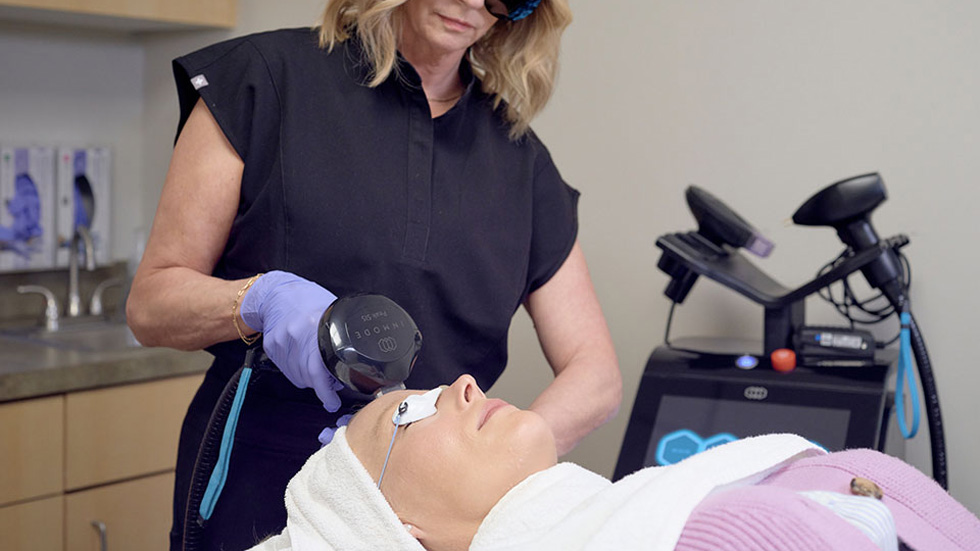
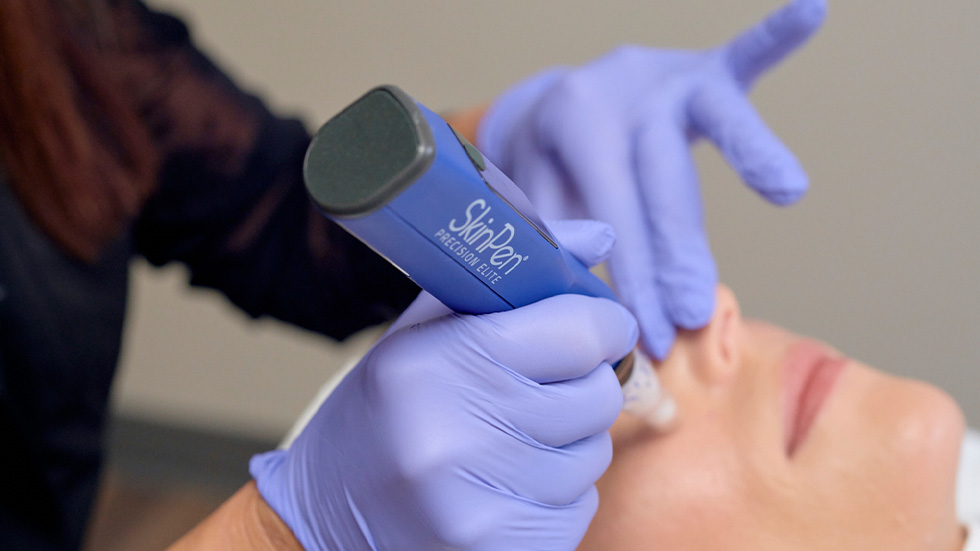
Treatments like SkinPen microneedling, custom facials, or laser-based therapies are designed to work beneath the surface or address concerns that cannot be managed through daily care alone. They can help reset certain aspects of the skin, creating an opportunity for improvement.
But what happens after that treatment is just as important.
The way you care for your skin in the days and weeks that follow helps determine how long those results last and how they continue to develop.
In that sense, professional treatments and daily care are closely connected.
Building a routine that feels manageable
Consistency does not mean complexity.
In many cases, a routine that works well is one that feels realistic to maintain over time. Cleansing your skin properly, supporting hydration, and protecting it with SPF are simple steps, but they create a foundation that your skin responds to.
When those habits are repeated regularly, they begin to support more stable skin behavior.
You may notice that your skin feels less reactive. That it maintains its appearance more evenly. That changes happen more gradually, rather than all at once.
These are often quiet improvements, but they are meaningful.
Why intensity is not always the answer
It can be tempting to look for something stronger when your skin feels off.
A more intensive treatment. A more aggressive product. Something that promises a faster result.
But skin doesn’t always respond well to being pushed too far, too quickly.
A more measured approach often delivers better long-term outcomes. Supporting your skin consistently allows it to adjust and strengthen over time, instead of cycling through periods of overcorrection and recovery.
This is especially important when your goal is not just a temporary improvement, but a more balanced and natural-looking result that develops over time.
Seasonal changes and shifting needs
Your skin does not stay the same throughout the year.
Changes in temperature, humidity, and sun exposure all influence how it behaves. What works well during one season may feel less effective in another.
This is where consistency becomes even more valuable.
When you are already paying attention to your skin and maintaining a routine, it becomes easier to adjust when needed. You can respond to changes gradually, rather than waiting until something feels significantly different.
Professional treatments can also be adjusted based on these shifts, helping to support your skin in a way that aligns with its current condition.
A more connected approach
When daily care and professional treatments are aligned, the process begins to feel more connected.
Each step supports the next.
A treatment improves skin quality. Your routine helps maintain that improvement. Follow-up treatments build on what has already been established. Over time, this creates a more stable pattern, where your skin is not constantly resetting, but gradually improving.
This kind of approach tends to feel more predictable.
Not because every outcome is controlled, but because you are working with your skin, rather than reacting to it.
When improvement becomes more noticeable
With consistency, changes tend to appear in a different way.
Instead of a sudden shift, you may begin to notice that your skin looks clearer more often. That it feels smoother when you touch it. That it holds hydration more easily. These are not dramatic changes, but they reflect a deeper level of improvement.
They also tend to last longer.
Because they are supported by ongoing care, rather than a single intervention, they become part of how your skin functions day to day.
A final perspective
Taking care of your skin is rarely about doing more.
It is about doing what works, and doing it consistently.
Professional treatments can play an important role, especially when you are looking to address specific concerns or support deeper changes. But their impact is closely tied to what happens in between.
When your routine and your treatments are aligned, your skin begins to respond in a more stable and predictable way.
And over time, that consistency often makes the biggest difference.